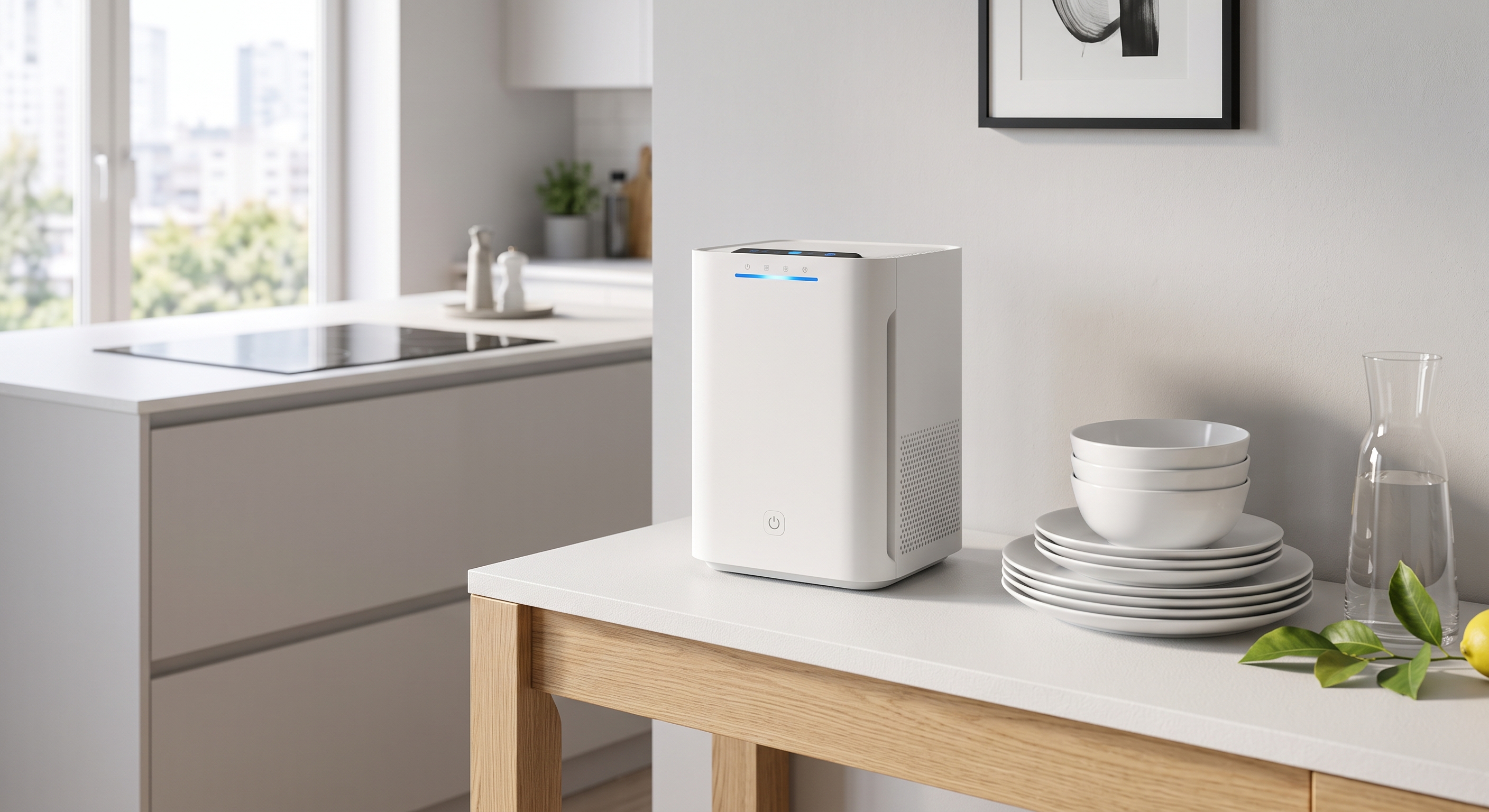
A clean product shot tells a buyer what something looks like. A lifestyle photo makes them want it. By showing your product in a real setting or in use - a candle glowing on a styled table, a bag worn on a shoulder, a mug in a bright kitchen - lifestyle images help buyers picture owning the product and instantly communicate what your brand is about. They're one of the most powerful tools for turning a browser into a buyer, and you don't need a professional set to make them. Here's how to create lifestyle product photos that sell.
Quick answer: Lifestyle product photos show your product in a real setting or in use, helping buyers imagine owning it. To create them, choose a setting and props that fit your brand and the product's use, style a simple, uncluttered scene, light it with soft natural light, keep the product the clear hero, and shoot from natural, relatable angles.
What is a lifestyle product photo, and why does it matter?
A lifestyle photo shows the product in a real-world context or in use, rather than isolated on a plain background. It matters because it does what a clean studio shot can't: it helps buyers imagine the product in their own life, shows scale and context, and communicates your brand's aesthetic and values in a single image. Clean shots inform the buyer; lifestyle shots create desire. The most effective listings use both - clarity plus connection.
When should you use lifestyle photos versus plain-background shots?
They do different jobs, so use both:
- Clean or white-background shots work best as your main hero image and for detail shots — they give clarity, accurate colour, and marketplace compliance.
- Lifestyle shots work best as supporting images that build desire, show the product in context and at scale, and express your brand.
A strong listing leads with a clean hero image, then uses lifestyle photos to create an emotional connection.
NOTE: Platform rules differ. Amazon requires the main image on a pure white background, but welcomes lifestyle photos in the secondary slots. Etsy and your own store welcome lifestyle imagery anywhere, including the first image. Tailor your first photo to the platform.
How do you choose a setting and props for lifestyle photos?
Pick a setting and props that match how the product is really used and the brand you want to project:
- Match the context to the product's use - kitchenware in a kitchen, jewellery on a dressing table or worn, candles in a cosy living space.
- Choose props that support, not steal focus - a few items in your brand's colour palette.
- Keep backgrounds and surfaces on-brand - warm and natural, bright and minimal, moody and moody, whatever fits your identity.
- Use real, relatable settings buyers recognise and can imagine themselves in.
How do you style a lifestyle scene without clutter?
The difference between "styled" and "messy" is restraint:
- Keep the product the clear hero - everything else in the frame supports it.
- Use negative space. You don't need to fill every gap; breathing room looks intentional and modern.
- Limit props to a few that add story or convey scale.
- Coordinate colours and textures so nothing clashes with the product.
- Step back and edit the scene - remove anything that doesn't earn its place.
TIP: The product is the hero. If a prop pulls your eye before the product does, remove it or reposition it. Props exist to frame the product, not to compete with it.
How do you light lifestyle product photos?
Soft natural light works beautifully for lifestyle shots:
- Shoot near a window with soft, indirect daylight for a natural, believable look.
- Let gentle shadows add depth - lifestyle photos can carry more mood than clean product shots.
- Keep the product itself well-lit even if the overall scene is moodier.
- Match the warmth of the light to the feeling you want - warm and cosy, or bright and airy.
What angles and composition work for lifestyle shots?
- Shoot from natural, relatable viewpoints - roughly how a person would see the product in use.
- Use flat lays (top-down) for styled arrangements and eye-level for in-use shots.
- Apply the rule of thirds - let the product sit slightly off-centre with context around it.
- Leave some negative space for a clean, modern feel, and room for text if you'll repurpose the image for social.
How do you keep lifestyle photos on-brand and consistent?
Consistency across your photos is what turns a collection of listings into a recognisable brand:
- Define a simple visual style - a colour palette, prop style, lighting mood, and background types.
- Reuse the same settings, props, and tones across products so your shop feels cohesive.
- Edit consistently - the same brightness and colour treatment on every image.
A cohesive look across your shop signals professionalism and builds trust before a buyer reads a single word.
Can you create lifestyle photos without a photoshoot?
Styling and shooting lifestyle scenes takes time, props, and setups - and it's genuinely hard to keep them consistent across a large catalogue. AI product photography tools can place a product into a styled lifestyle scene from a single plain photo, so you get on-brand lifestyle imagery without building sets, buying props, or reshooting.
Turn a plain product photo into on-brand lifestyle scenes in seconds — no props or set needed.
Try Easy Content Studio free
What mistakes should you avoid in lifestyle photography?
- Cluttered scenes where props overwhelm the product.
- Settings or props that don't match the product or your brand.
- The product too small or lost in the scene.
- Inconsistent styles across the shop that dilute the brand.
- Harsh lighting that flattens the scene and kills the mood.
- Skipping the clean hero shot - lifestyle photos complement it; they don't replace it.
Frequently asked questions
What is a lifestyle product photo?
A lifestyle product photo shows the product in a real setting or in use - worn, held, or in its natural environment - rather than isolated on a plain background. It helps buyers imagine owning the product and communicates your brand's style.
Are lifestyle photos better than white-background photos?
Neither is better; they do different jobs. White-background shots give clarity and are required for main images on some platforms; lifestyle shots build desire and show context and scale. The strongest listings use a clean hero image plus lifestyle supporting shots.
How do you take lifestyle product photos at home?
Choose a setting and a few props that fit the product and your brand, style a simple, uncluttered scene, light it with soft natural window light, keep the product the clear hero, and shoot from natural, relatable angles. Keep the look consistent across your shop.
What props should you use for lifestyle product photography?
A few props that support the product's story or show scale, in your brand's colour palette - not so many that they compete with the product. Choose items that fit how the product is really used and the setting it belongs in.
Can you use lifestyle photos as your main product image?
On Etsy and your own store, yes - lifestyle images are welcome anywhere, including the first slot. On Amazon, the main image must be on a pure white background, but lifestyle images are welcome in the secondary slots. Tailor to each platform.
How do you make lifestyle photos look consistent?
Define a simple visual style - palette, props, lighting mood, and backgrounds - and reuse it across products, with consistent editing. A cohesive look across your shop makes the brand recognisable and professional.
Can AI create lifestyle product photos?
Yes. AI product photography tools can place a product from a single plain photo into a styled lifestyle scene, producing on-brand lifestyle imagery without props, sets, or a photoshoot - especially useful for large catalogues and consistent styling.